
Does every configured size need a separate SKU?
Define model identity, continuous dimensions, component references and order records without creating a SKU for every possible configuration.
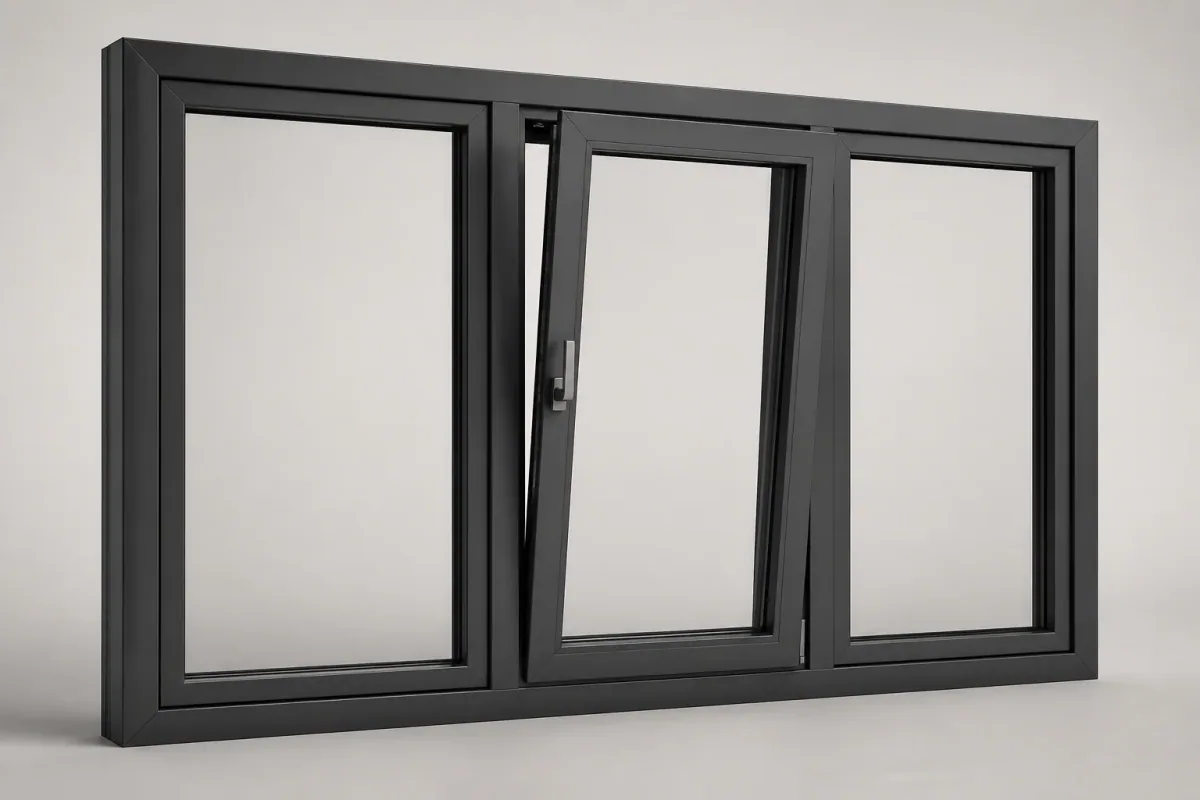
Table of contents
Every configured size does not necessarily need a separate SKU. A manufacturer may sell a defined model with dimensional parameters while using component references for purchasing and production. Agree the identity model with your sales, inventory and receiving systems before generating thousands of artificial catalogue entries.
Give each identifier one job
A base model identifies the product family or sellable design. A configuration reference identifies selected values and a revision. A component reference identifies a material or assembly. An order reference identifies the commercial transaction. These identifiers can be connected without being interchangeable.
A finish description is not a stable identity. Descriptions may change with language while the underlying option remains the same. Use a genuine identifier change when the business meaning changes, not merely when a label is translated.
| Record | What it should distinguish |
|---|---|
| Base product | The model being configured |
| Configuration revision | The accepted combination and measurements |
| Material component | The item required by purchasing or production |
| Order line | The commercial quantity and agreed scope |
Work through two similar orders
Consider two frames from the same model, one 1,000 mm wide and one 1,050 mm wide. Both may use the same stocked profile reference, but require different cut lengths. Creating a new stock item for every cut length is not automatically the right inventory approach.
Ask the receiving team how it expects to represent a made-to-order line. Then inspect the dimensional values, units and material requirements that arrive from the configurator. The visual preview should not be the only place the width exists.
Decide how repeated configurations are recognized
A business may want to reorder an earlier specification or group similar demand. Define whether identical selections reuse a specification reference or create a new record linked to an earlier one. A changed catalogue revision may make an apparently identical selection commercially or technically different.
Do not use a human-readable product name as the only key for this comparison. Names can be edited without changing the item, and different items can have similar names.
Map the identity model into Configurix
A configure-to-order implementation can connect selected dimensions to custom quotations, material preparation and factory records. Ask Configurix to describe the identifiers passed between those stages and verify them with the people operating the receiving systems.
Can we keep our existing SKU references?
Often that is a sensible requirement. Provide the current identity rules and explain where dimensions or processing instructions are stored separately.
Is a configuration reference enough for manufacturing?
Only if the factory can resolve it to the required approved values and outputs. Agree the receiving record and its revision rather than relying on an unexplained identifier.
Book a private Configurix demo
Bring your product range, price list and a representative quote. We can define the configuration and sales workflow around your business.
Book a private Configurix demo →Related articles

Does available stock in a configurator mean it is reserved?
Distinguish stock visibility from reservation when connecting a configurator to inventory, including stale data, competing orders and acknowledgements.
What order status should customers see after configuration?
Design customer-facing order tracking that explains progress and next actions without exposing internal production notes or unrelated customer records.
What should a configurator proof of concept prove?
Define a configurator proof of concept around a risky rule, saved revision and receiving-system output, with clear pass conditions.

How should a configurator work for dealers with several branches?
Specify branch selection, project ownership, local commercial scope and employee transfers in a multi-branch dealer configurator.